Creating a relaxing home workspace is essential for anyone who wants to stay productive and focused throughout the day. When your workspace is cluttered, uncomfortable, or uninspiring, it can be challenging to maintain concentration and motivation. On the other hand, a calm and inviting area encourages creativity, reduces stress, and makes working from home more enjoyable.
In this post, we’ll explore practical tips and ideas for designing a home workspace that promotes relaxation while boosting your productivity. Whether you have a dedicated room or a small corner in your living space, these suggestions can help transform your environment.
1. Choose the Right Location for Your Workspace
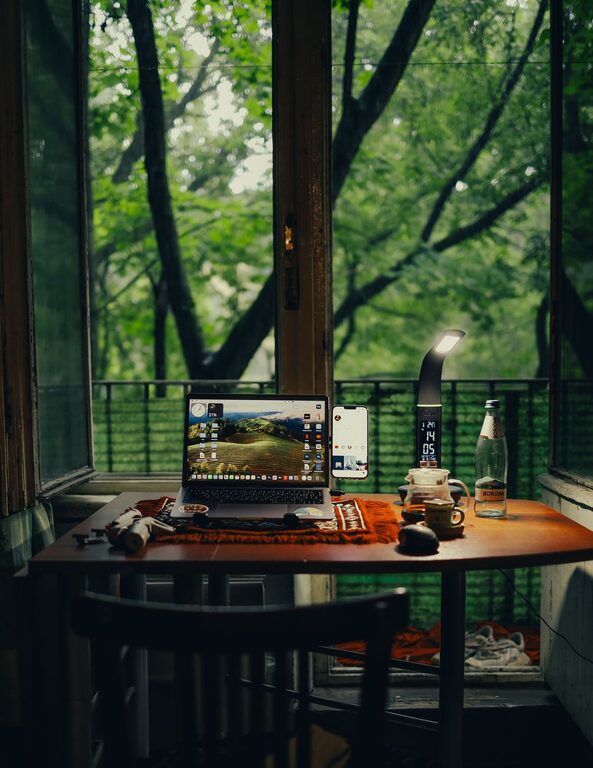
Where you set up your workspace has a big impact on how relaxed and productive you feel. If possible, pick a spot away from noise and distractions like TV or household traffic. Natural light is a huge benefit, so try to find a place near a window. Sunlight not only brightens the room but also helps maintain your energy levels.
If space is limited, designate a specific corner or table for work and let everyone in your home know it’s your focused area. Clear boundaries help your brain shift into work mode.
2. Invest in Comfortable and Supportive Furniture
Comfort is key when you spend long hours working. A good ergonomic chair with lumbar support prevents back pain and helps maintain proper posture. Pair it with a desk at the right height to avoid strain on your wrists and shoulders.
Don’t forget about accessories like a keyboard tray, footrest, or monitor stand if needed. These small additions improve comfort and encourage healthy positioning throughout the day.
3. Declutter and Organize Your Space
A cluttered workspace can cause unnecessary stress and reduce efficiency. Keep your desk tidy by only having essential items within reach. Use organizers, trays, or drawers to store supplies like pens, notebooks, and cables.
Regularly decluttering helps maintain a clear mind and makes it easier to focus on your tasks. Consider adopting a minimalist approach to reduce visual distractions.
4. Personalize Your Workspace
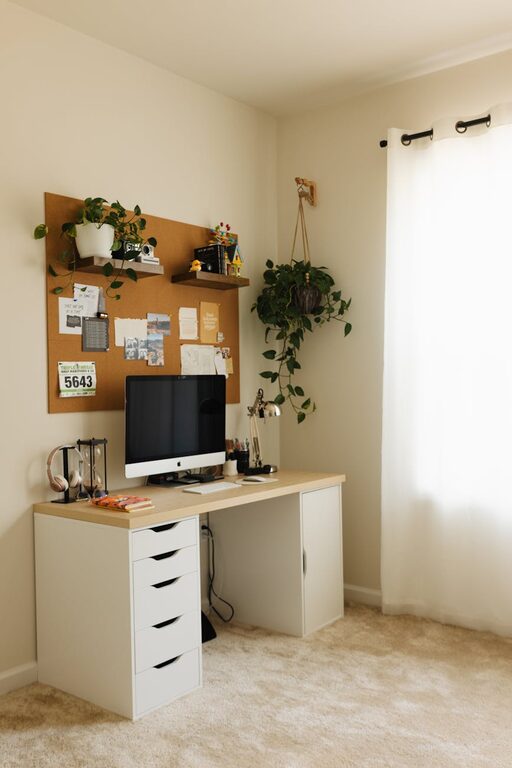
Adding small personal touches can make your workspace feel welcoming and enjoyable. This might include framed photos, a favorite mug, plants, or artwork. Choose items that inspire and motivate you without overwhelming the area.
Plants, in particular, add a calming atmosphere and improve air quality. Succulents, snake plants, or peace lilies are easy to care for and can brighten up your desk.
5. Control Lighting for Comfort and Focus
Lighting significantly influences your mood and productivity. Aim for a combination of natural and artificial light that’s bright but not harsh. Position your desk to avoid glare on your computer screen.
Consider adjustable desk lamps with warm tones for evening work sessions. Proper lighting reduces eye strain and fatigue, helping you stay comfortable during long hours.
6. Minimize Noise and Distractions
Noise can break your concentration and increase stress. If you live in a busy household or area, try noise-canceling headphones or play background sounds like white noise or nature sounds to mask distractions.
Establish a routine that signals to others when you need quiet time, if possible. Consistency helps improve focus and work habits.
7. Incorporate Break and Movement Areas
A relaxing workspace isn’t only about the desk. If space allows, create a small area to take breaks or stretch. Sitting for long periods can decrease productivity, so regular movement is important.
Use a comfortable chair or cushion nearby for short rests or breathing exercises. Even standing up occasionally to walk or stretch improves circulation and mental clarity.
8. Use Calming Colors and Scents
Colors impact how relaxed or energized you feel. Soft, neutral, or pastel tones like light blue, green, beige, or lavender promote calmness. Avoid overly bright or distracting colors in your immediate workspace.
Essential oils or scented candles with calming fragrances like lavender, eucalyptus, or chamomile can further enhance relaxation. Just make sure any scents are subtle and don’t cause allergies.
9. Keep Technology Organized and Updated
Technology is essential but can add to clutter or frustration if not managed well. Use cable organizers to keep cords neat and out of the way. Make sure your devices and software are updated to reduce interruptions caused by technical issues.
Having a smooth technology setup prevents stress and keeps your workflow steady.
10. Establish Daily Rituals to Transition Into Work Mode
Creating small daily habits helps your mind prepare for work. This could be tidying your desk before starting, making a to-do list, or spending a few minutes meditating or stretching.
Such rituals signal the start of focused time, making it easier to settle into your tasks and maintain productivity.
—
Final Thoughts
Designing a relaxing home workspace doesn’t require a large budget or a perfect room. With thoughtful choices, you can create a space that supports your well-being and productivity. Focus on comfort, organization, lighting, and personalization to make your workspace a place where you enjoy spending time and getting things done.
Take small steps to improve your environment and notice how it positively affects your workday. A calm workspace leads to a calmer mind—and better results.