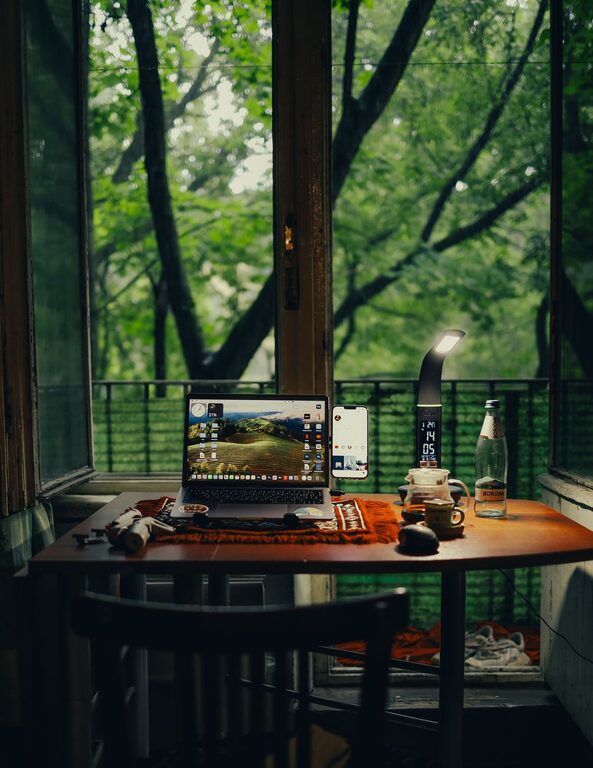
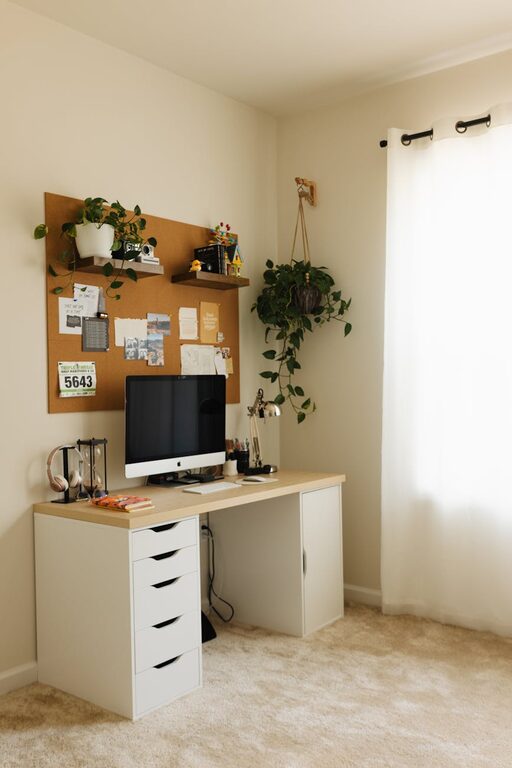
Creating a home office that is both cozy and productive can make a big difference in how you feel about your work and how much you get done. Whether you’re working remotely full-time or just need a dedicated spot for occasional tasks, setting up the right environment is key. This guide offers practical tips to help you design a space that feels inviting and keeps you focused.
Choose the Right Location
The first step is selecting the best spot in your home for your office. Ideally, this area should be quiet and free from distractions.
– Natural Light: Pick a space near a window to get plenty of natural sunlight, which can help boost mood and energy.
– Away from Noise: Avoid high-traffic areas like the kitchen or living room if possible.
– Space Availability: Make sure there’s enough room for your desk, chair, and storage needs without feeling cramped.
Select Comfortable and Ergonomic Furniture
Comfort is crucial for preventing fatigue and maintaining focus.
– Ergonomic Chair: Invest in a chair that supports your back and encourages good posture.
– Functional Desk: Choose a desk that fits your work style, whether you prefer sitting or standing.
– Adjustable Setup: Consider adjustable monitor stands or keyboard trays to customize your workspace.
Optimize Lighting for Productivity
Proper lighting can reduce eye strain and improve focus.
– Layered Lighting: Use a combination of ambient, task, and accent lighting.
– Task Lighting: A desk lamp with adjustable brightness can help when you’re reading or writing.
– Avoid Glare: Position screens and lights to minimize glare on your computer monitor.
Personalize Your Space
Adding personal touches can make your office feel more inviting.
– Decorate with Plants: Indoor plants improve air quality and create a calming atmosphere.
– Artwork or Photos: Display images that inspire or motivate you.
– Color Scheme: Choose colors that you find soothing or energizing, depending on your preference.
Keep Your Workspace Organized
Clutter can distract and reduce your efficiency.
– Storage Solutions: Use shelves, drawers, or boxes to keep supplies tidy.
– Cable Management: Organize cords with clips or sleeves to avoid tangles.
– Daily Cleanup: Spend a few minutes each day tidying your desk to maintain order.
Incorporate Technology Wisely
Modern tools can enhance productivity, but too much tech can also overwhelm.
– Essential Devices: Ensure you have a reliable computer, fast internet, and necessary peripherals.
– Minimal Distractions: Disable non-work notifications during focused periods.
– Backup Plans: Use cloud storage and backup devices to protect important files.
Create Boundaries Between Work and Home Life
Defining clear boundaries helps maintain work-life balance.
– Dedicated Hours: Set specific working hours and stick to them.
– Separate Physical Space: Close the door or use room dividers to distinguish work from relaxation zones.
– Routine Breaks: Schedule regular breaks to stretch and refresh your mind.
Add Comfort Elements
Small comforts can make your office a place where you want to spend time.
– Soft Textiles: Use a cozy rug, cushions, or a throw blanket.
– Temperature Control: Have a fan, heater, or humidifier handy to maintain a comfortable environment.
– Refreshments: Keep a water bottle or favorite drink nearby to stay hydrated.
Final Thoughts
Designing a cozy and productive home office doesn’t require a big budget or major renovations. With thoughtful choices about location, furniture, lighting, and organization, you can create a workspace that helps you feel comfortable and focused. Remember to personalize your space to suit your style and work habits. A well-designed home office can increase your efficiency and make your workday more enjoyable.