Creating a relaxing home office environment is essential for maintaining focus, reducing stress, and enhancing productivity. Whether you’re working remotely full-time or just occasionally, a calm and well-designed space can make a big difference in how you feel and perform throughout the day. Here are some practical tips to help you set up a home office that supports both comfort and efficiency.
1. Choose the Right Location
Selecting the best spot for your home office is the first step. Ideally, pick a quiet area with minimal distractions.
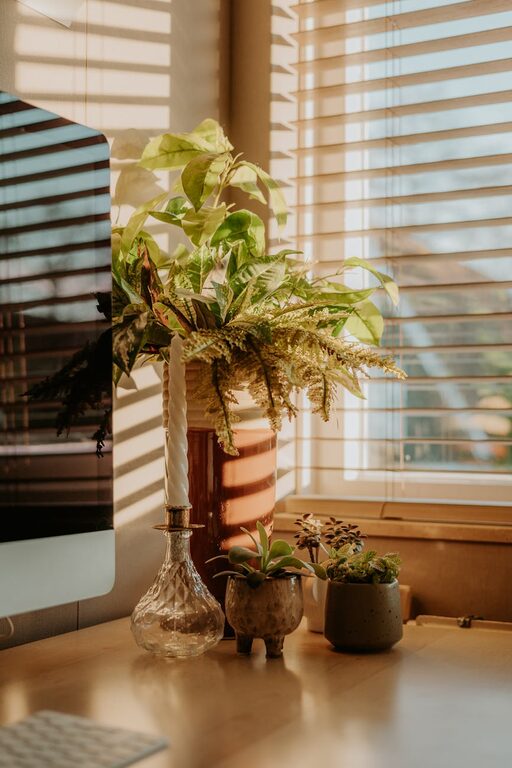
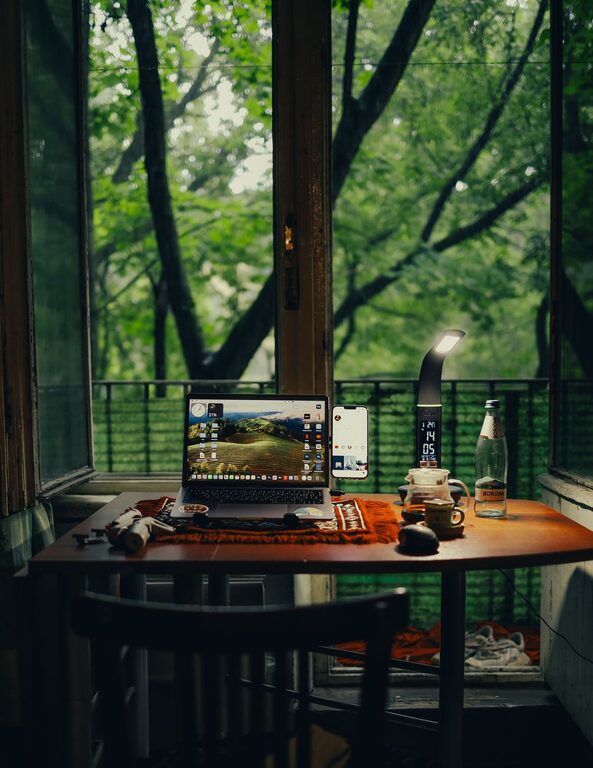
– Natural light: Try to set up near a window to benefit from natural daylight. It improves mood and energy levels.
– Away from noise: Avoid busy parts of the house like kitchens or living rooms where there is frequent activity.
– Dedicated space: If possible, have a dedicated room or corner that signals “work time” to help separate professional and personal life.
2. Invest in Comfortable and Ergonomic Furniture
Comfort is key in preventing strain and fatigue during long work hours.
– Ergonomic chair: Invest in a chair that supports your lower back and promotes good posture.
– Desk height: Ensure your desk is at a height where your arms rest naturally at a 90-degree angle when typing.
– Footrest: Using a footrest can help improve posture and reduce leg fatigue.
– Adjustable options: Consider adjustable desks or sit-stand workstations for more movement during the day.
3. Declutter and Organize Your Workspace
A tidy space helps clear the mind and increase focus.
– Minimalism: Keep only the essential items on your desk to avoid distraction.
– Storage solutions: Use shelves, drawers, and organizers to keep paperwork and supplies neatly stored.
– Cable management: Use clips or sleeves to keep wires tidy and out of sight.
– Daily reset: Spend a few minutes each day tidying your workspace to maintain order.
4. Incorporate Soothing Colors and Decor
Colors and decor can subtly influence your mood and productivity.
– Calming colors: Soft blues, greens, and neutrals can create a relaxing atmosphere.
– Personal touches: Add plants, inspiring artwork, or photos to make the space inviting.
– Avoid overstimulation: Keep decor simple so it doesn’t distract you from work.
5. Control Lighting and Reduce Eye Strain
Proper lighting is important for comfort and avoiding headaches or eye strain.
– Adjustable lighting: Use lamps or overhead lights with adjustable brightness.
– Position screens: Place your computer screen to avoid glare from windows or lights.
– Regular breaks: Follow the 20-20-20 rule—every 20 minutes, look at something 20 feet away for 20 seconds.
6. Manage Noise Levels
Noise can interrupt your concentration and increase stress.
– Noise-cancelling headphones: These can help block distractions when needed.
– Soft background sounds: Some people find white noise or calming music helpful for focus.
– Soundproofing: Consider rugs, curtains, or acoustic panels to reduce echo and noise from outside.
7. Bring Nature Indoors
Plants and natural elements can improve air quality and boost mood.
– Low-maintenance plants: Succulents, snake plants, and pothos are easy to care for.
– Natural materials: Use wood, stone, or woven items for furniture and decor.
– Fresh air: Open windows when possible for ventilation.
8. Maintain Good Air Quality and Temperature
Comfortable air quality and temperature help you stay alert and comfortable.
– Ventilation: Proper airflow prevents stuffiness.
– Temperature control: Use fans, heaters, or air conditioning to keep your space at a comfortable temperature.
– Air purifiers: These can reduce dust and allergens, promoting a healthier workspace.
9. Establish Boundaries and Routines
Creating habits and boundaries helps separate work from personal time.
– Set a schedule: Start and end work at consistent times.
– Break area: Designate a spot away from your desk for breaks to mentally step away.
– Clear end-of-day rituals: Closing your laptop and tidying your desk can signal the end of your workday.
—
By applying these tips, you can create a home office that promotes relaxation, focus, and productivity. A thoughtfully designed workspace not only makes work more enjoyable but can also support your well-being and work-life balance. Take your time customizing your space to suit your needs and preferences—your future self will thank you!